

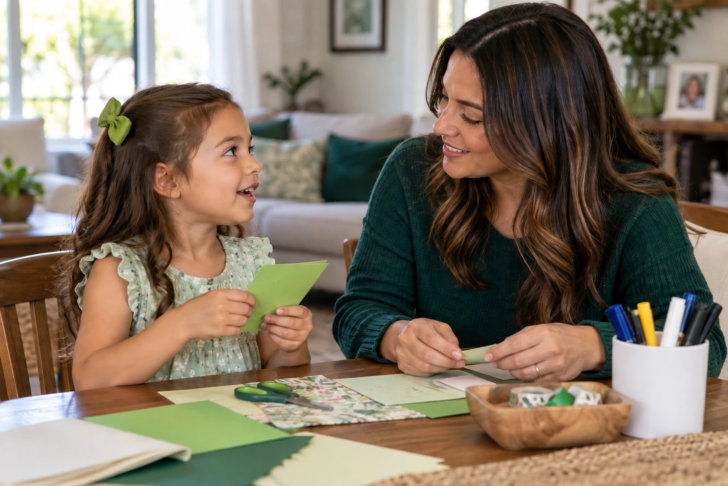
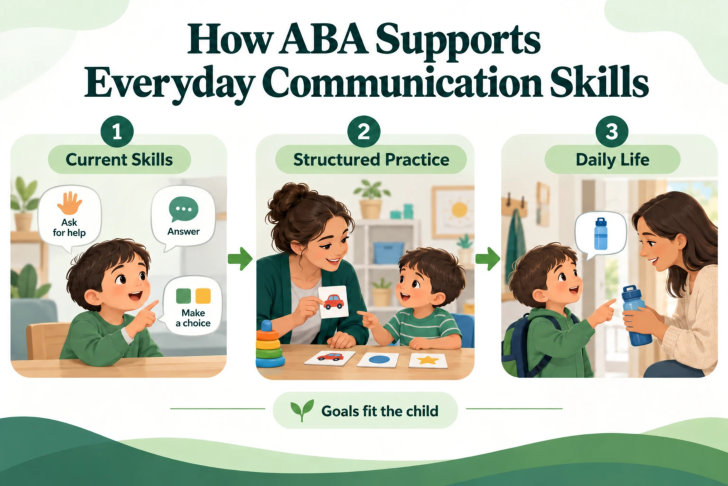
Your child communicates all day, often in small ways that are easy to overlook. They may ask for help, answer a question, make a choice, or respond when someone joins an activity. Applied Behavior Analysis (ABA) therapy can give your child structured opportunities to practice these skills in ways that fit their current abilities and needs.
The specific goals can look different for every child. One child may be working on expressing a need more clearly. Another may need more practice responding to someone or staying involved in a short exchange. The starting point should be how your child communicates now and which situations are most relevant in daily life.
That individual starting point matters because communication is personal. At Next Level ABA LLC, we understand that support should take your child’s communication style, interests, and current abilities into account rather than expecting every child to work on the same skills.
. Communication often happens during play, shared activities, and simple exchanges with another person. Those moments can give your child a clear reason to use the skills they are practicing.
What Does Everyday Communication Look Like?
Everyday communication can be as simple as asking for something, answering another person, or letting someone know a preference. It may happen while your child is getting ready, playing, eating a meal, or spending time with family.
These situations matter because communication is easier to understand when it has a purpose. A child who is practicing how to ask for help can use that skill during a real activity. A child working on responding to others may practice during a conversation or shared task.
The point is not to make every interaction feel like a lesson. It is to give your child appropriate chances to use communication in situations that already make sense to them.
How Can Structured Practice Help?
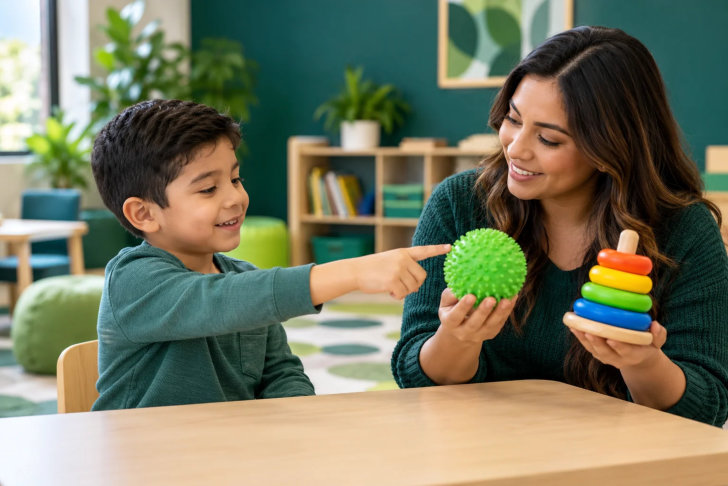
Structured practice gives your child more than one chance to work on the same general skill. The care team can set up activities where communication is likely to happen and watch how your child responds.
For example, a child may practice making a request during different activities. Another may work on responding when someone speaks to them or staying involved long enough to complete a short exchange.
The activity can change while the communication goal stays familiar. That gives the care team more information about when your child uses the skill comfortably and when extra support may still be useful.
How Does Communication Connect With Daily Life?
A communication skill becomes more practical when your child can use it outside a single activity. Asking for help at home, responding to a family member, or communicating during an outing can all give that skill a real purpose.
The same skill may also look different depending on the setting. Your child may communicate easily during a familiar routine and need more help with someone new or in a busier environment. Those differences can help the care team understand where more practice may make sense.
If another person involved in your child’s care would benefit from understanding center-based ABA therapy, you can help them see how structured practice, individual goals, and everyday use fit together. We can also explain how communication goals may fit into your child’s broader ABA care.
Communication Goals Should Fit the Child
Your child does not need to communicate in the same way as another child. Goals should make sense for their current abilities and the situations they face most often.
One child may need more chances to communicate a preference. Another may be working on responding during an interaction or taking part in a short back-and-forth exchange. Some children may need more support at first and less as the skill becomes more familiar.
At Next Level ABA LLC, we consider how your child responds during different activities and adjust support based on what we see. Our team can change learning opportunities as your child’s communication develops or new needs become clearer.
How Can Communication Support Interaction With Others?
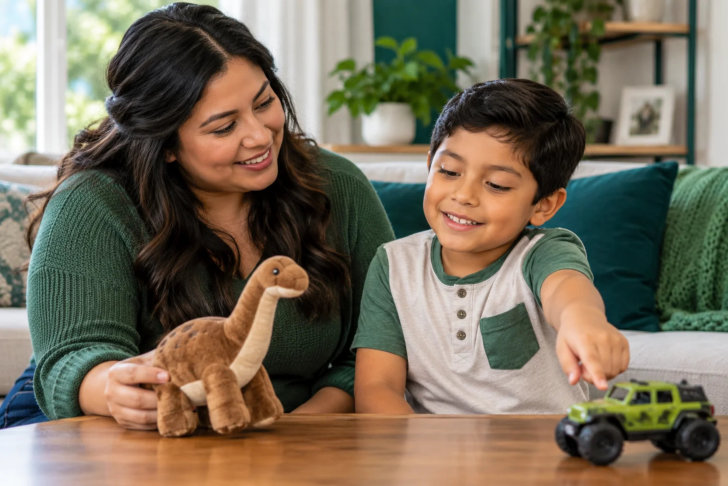
Communication also affects how your child takes part in activities with other people. A child may communicate a preference during play, respond when someone speaks, or stay involved in a simple exchange.
These skills can come up with family members, peers, or other people your child sees often. The practice should still fit the situation and the child. There is no need for every interaction to look the same.
Keeping communication connected to real situations can make therapy easier to understand from a parent’s point of view. You can see what your child is practicing and where the same skill may come up naturally during the day.
If you would like to talk about your child’s communication needs and the kind of support that may be appropriate, you can contact us to discuss what you are noticing in everyday situations.
Leave a Reply